- ABOUT US
- INSPECTION VALIDITY CHECK
- VEHICLE INSPECTION STATIONS (STK)
- FOR THE PUBLIC
- REGULATIONS
- CONTACT
 21.02.2025
WHY AUTOMATIC BRAKE EVALUATION?
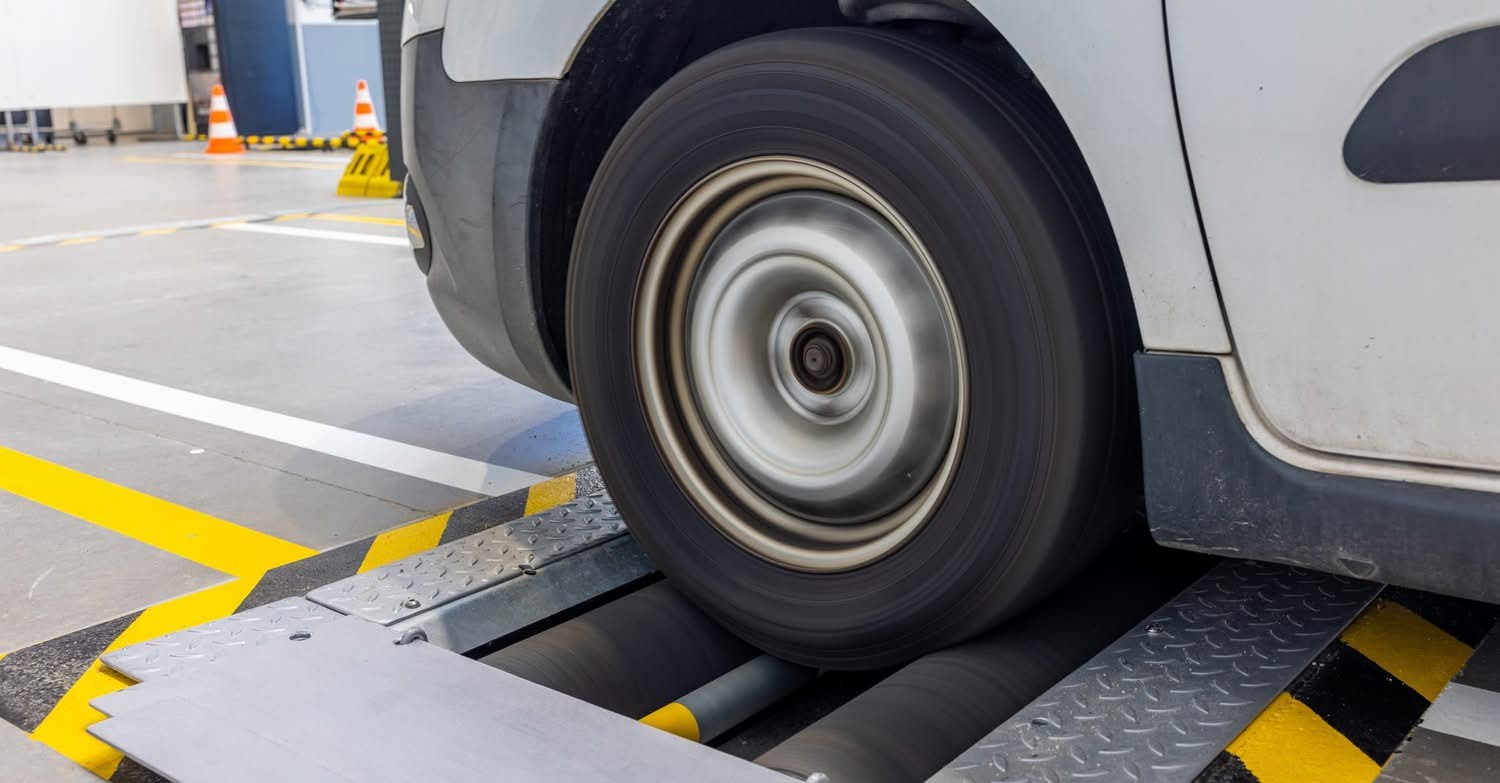
We have prepared a video for you in which we explain the reasons for and benefits of introducing automated brake evaluation. The first reason is to unify the evaluation of measurement results regardless of the make and type of test bench used. Evaluation at the test bench software level is not standardized among different manufacturers. With automatic evaluation, the calculation and assessment are performed from transmitted measured data in the central information system, using the same algorithms regardless of the make or type of test bench and from a standardized data range, again regardless of the make or type of test bench. The specifics of software from different bench manufacturers will therefore no longer advantage or disadvantage measurements on their equipment compared to competitors. The second reason for automatic evaluation is to help technicians. Under the currently valid regulations, technicians must calculate parameters characterizing brake performance from measured data and compare them with prescribed values. For an initial, indicative overview immediately during measurement, many also use the evaluation displayed by the bench software, but unfortunately in everyday stress and time pressure they often stop there. For example, when calculating the service or parking brake efficiency, if the bench displays it at all, it may be a clearly misleading value because the bench does not have the maximum permissible gross vehicle weight, which enters the calculation. The bench is not able to calculate efficiency using more complex extrapolation methods either, although this is necessary for a large proportion of inspected vehicles. This leads to many errors in brake evaluation that we can detect retrospectively by data analysis. When we reviewed data for 2024, we identified as many as 17,903 such cases across the entire inspection network, with as many as 74% concerning service or parking brake efficiency. So this is not about more complicated calculations such as force symmetry or brake force fluctuation, but about a calculation that the bench software does not even offer because the bench itself lacks the necessary input data. The introduction of automated evaluation will make it possible to prevent all such breaches, which often arise from negligence and may be sanctioned if detected.